
Deciding when to let your kids wear contact lenses often brings up feelings of worry and uncertainty for parents. You want to give them the freedom they ask for, but their eye health naturally comes first.
It’s completely normal to wonder if they can handle the responsibility. Children are generally ready for contact lenses when they demonstrate consistent personal responsibility and good daily hygiene, rather than when they reach a specific age. Navigating this milestone feels much easier when you know what to look for.
Signs Your Child Might Be Ready for Contacts
The most reliable sign your child is ready has nothing to do with their birthday. Readiness often depends heavily on your child’s daily habits. A child who brushes their teeth without reminders, follows a morning routine, and keeps their room organized is showing the kind of consistency that may translate well to lens care.
A few things your optometrist typically looks for include:
- Whether your child follows multi-step instructions without skipping steps
- Whether the interest in contacts is genuinely theirs, not pressure from friends or siblings
- Whether they handle responsibility in other areas of daily life
There’s no universal minimum age for contact lenses. Some 10-year-olds are ready, while some 15-year-olds aren’t. The eye itself also plays a major role in this process.
The shape of your child’s eye affects how a lens fits and feels. Their current prescription also influences which lens types remain available to them. A proper fitting process accounts for all of these unique physical factors.
What Happens During a Contact Lens Fitting
Taking your child in for a fitting might sound intimidating, but the process is straightforward and entirely focused on their comfort.
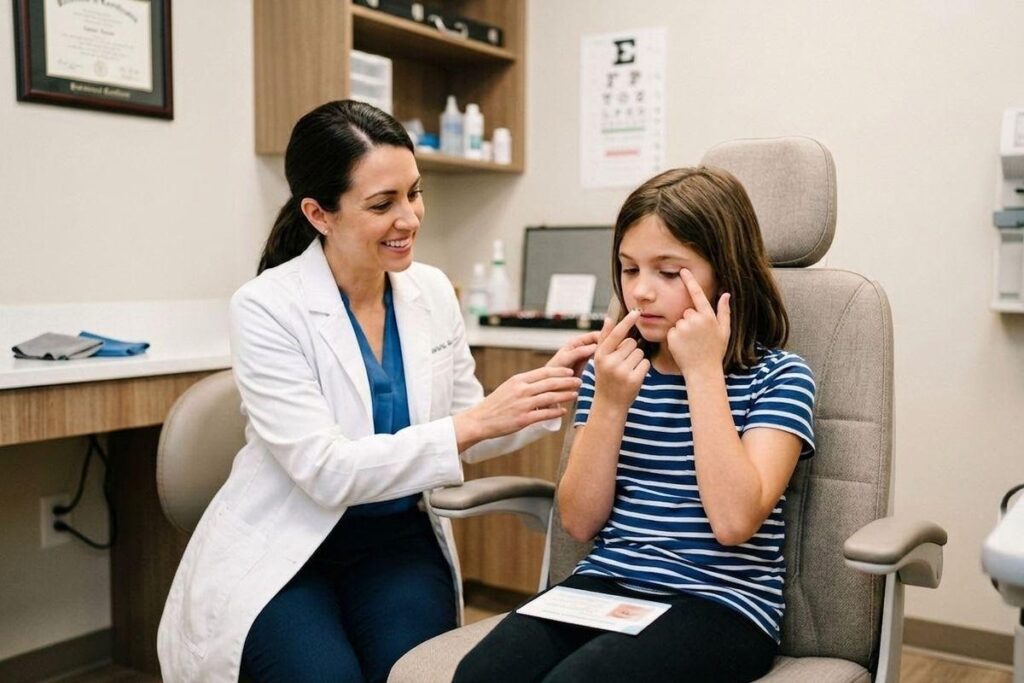
A contact lens fitting is more than just picking a lens and calling it a day. It starts with a thorough eye exam to check overall eye health. From there, your optometrist takes precise measurements of the eye’s surface to find a lens that fits the way it should. Your child will try on trial lenses during the visit so they can experience the feel firsthand before you finalize anything.
What an Optometrist Looks For
Young patients require a closer look at a few specific details during their fitting. Tear film quality matters significantly because low tear production can make lens wear uncomfortable right from the start.
Your optometrist will observe how your child handles putting the lenses in and taking them out. We’ll also watch for any early signs of dryness or sensitivity that could affect long-term comfort.
How Contact Lenses Help Manage Myopia
If your child’s prescription keeps climbing every year, you have effective options to help protect their eyesight. Even the kind of contact lenses you choose plays a part. Specialty lenses designed for myopia management for kids are a growing part of what optometrists now offer.
These specialized soft contact lenses feature materials and shapes that help slow myopia’s progression, giving your child a better chance at maintaining healthier eyes into adulthood.
One popular option is overnight CRT (Corneal Refractive Therapy) lenses, which are rigid lenses worn overnight that gently reshape the eye while your child sleeps, so no lenses are needed during the day. Regular follow-up visits track how the prescription changes over time and keep the treatment on track.
Why Early Action Matters for Your Child’s Vision
Myopia tends to progress more rapidly during the school-age years, which makes timing a real factor. Starting a myopia management plan earlier generally means more options are available and more of that progression window can be addressed.
It’s true that myopia generally stabilizes after age 20, but waiting until that point rarely serves a child best. Letting myopia progress unmanaged often leads to high myopia, which can increase the risk of developing serious issues down the road, such as retinal detachment, glaucoma, and cataracts.
Help Your Child Adjust to Contact Lenses
Transitioning to contacts takes patience and practice. Your support makes a real difference in how quickly they adapt.
The first 2 weeks are usually the most difficult part. Sit with your child while they practice putting the lenses in and taking them out. If it feels awkward at first, that’s completely normal. Starting with shorter daily wear periods, rather than jumping straight to all-day use, gives their eyes time to adjust without overdoing it.
Pay attention to how their eyes react during these early stages. Keep an eye out for a few specific warning signs:
- Redness that doesn’t clear up after removing the lenses
- Persistent irritation or a scratchy sensation
- Complaints of blurry vision that wasn’t there before
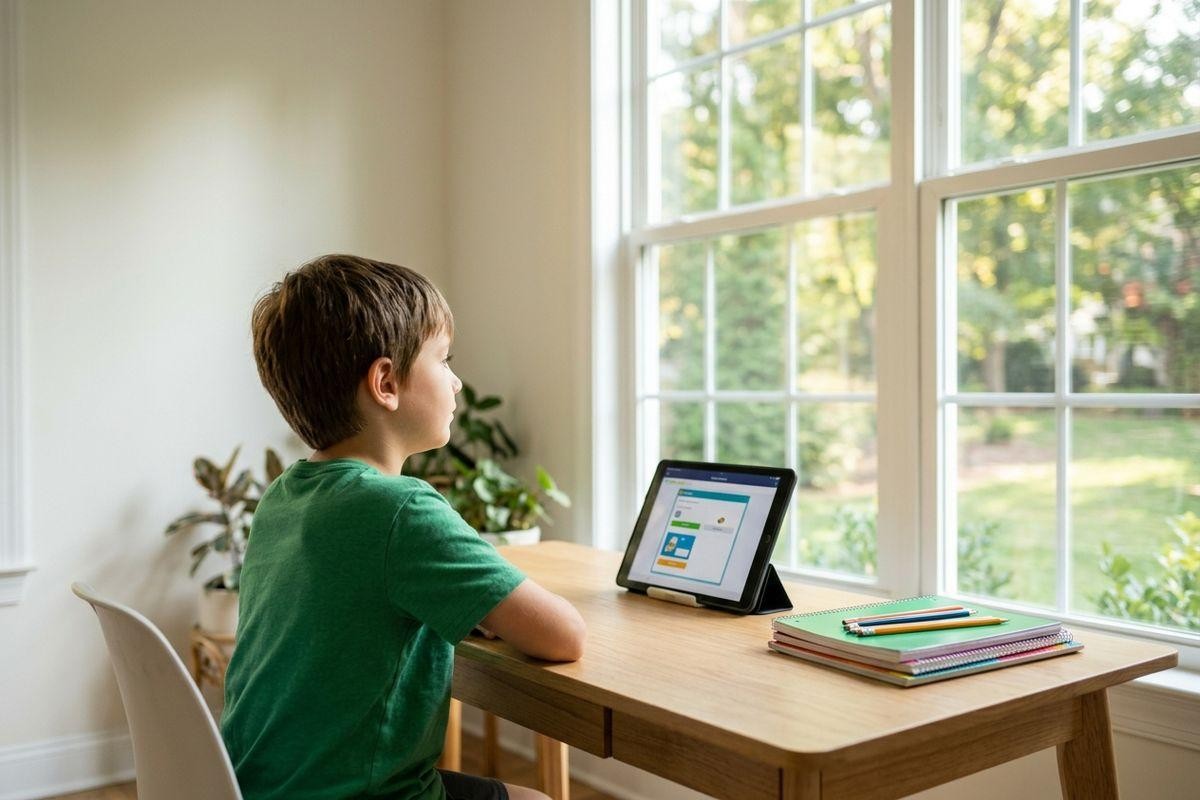
Heavy screen use often affects how comfortable lenses feel, especially toward the end of the day. Kids tend to blink less when staring at screens, which dries the surface of the eye faster.
Encourage them to follow the 20-20-20 rule as much as you can, every 20 minutes, look at something 20 feet away for 20 seconds. The exact timing and distance don’t matter as much as being aware of the need to take regular breaks. If dryness is still an issue, your optometrist can suggest specific solutions designed to work with contact lenses.
Common Parent Questions About Kids’ Contacts
It’s completely understandable to have questions before committing to contacts. Here are some of the most common concerns we hear from parents:
- Are contacts safe for children? Safety comes down to 3 things: a proper fit, consistent hygiene, and follow-up care. All 3 are built into the fitting process.
- What if my child’s eyes feel dry? Dryness is a common hurdle, but it’s highly manageable. Your optometrist looks at tear film quality during the fitting and can recommend lens types or drops that help.
- How often does my child need a check-in? Follow-up visits are part of the plan. They help track changes in prescriptions and detect any comfort issues before they become bigger problems.
Empower Your Child to See Clearly
Choosing contacts for your child is a big step, but it doesn’t have to be a stressful one. With the right preparation and professional guidance, your child can enjoy the freedom and clarity that contact lenses provide.
Take the time to evaluate their readiness and lean on your eye care team for support. Once you feel confident in their maturity, you can easily explore the best lens options for their unique eyes.
Book a contact lens fitting with Spectrum Eye Care today at our South End, Uptown Charlotte, or South Charlotte location and set your child up for clear, comfortable vision.